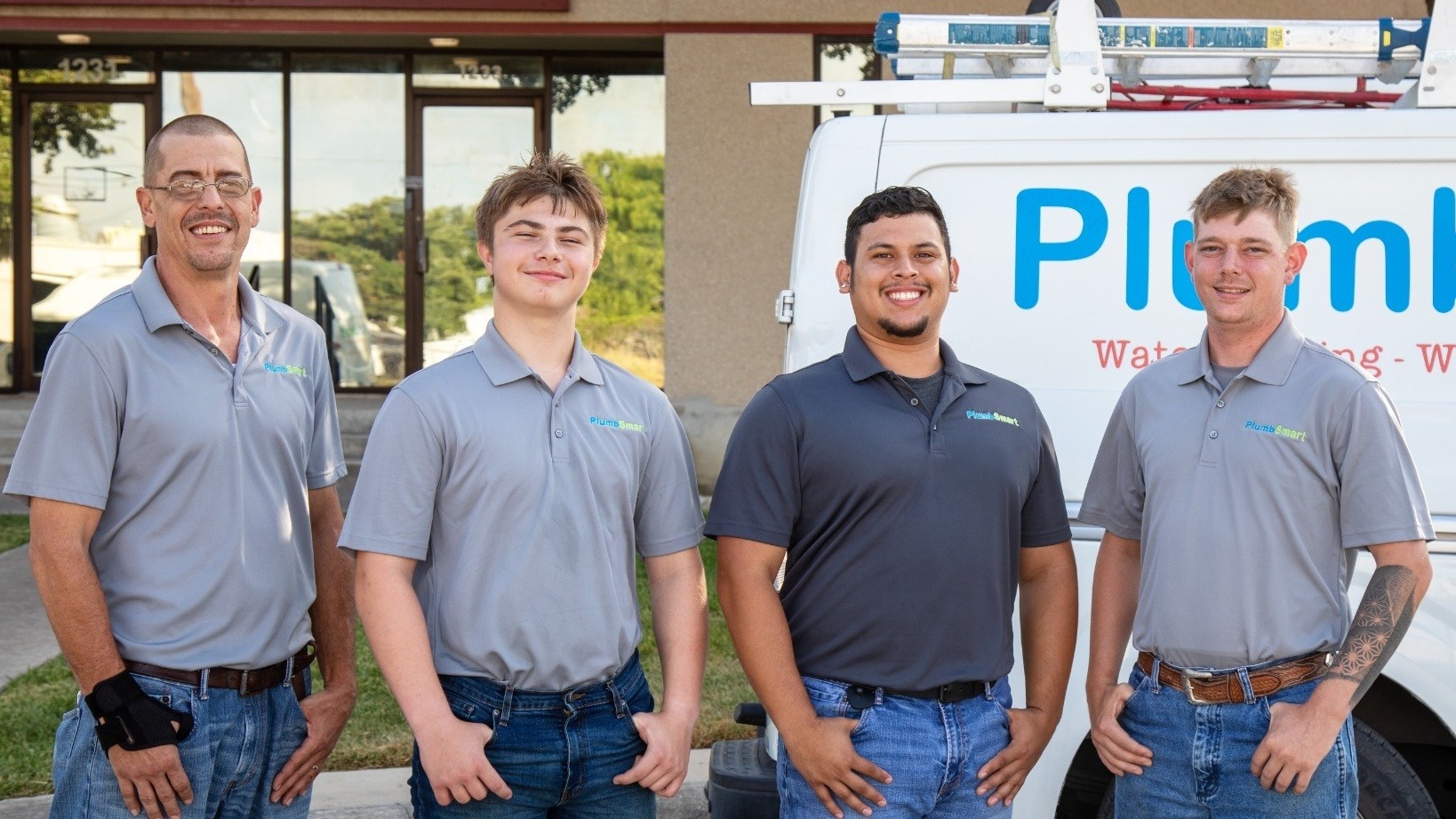

A little planning prevents a cold shower later
Replacing a water heater feels simple until the old unit is out, the new one is sitting there, and somebody realizes the closet door is too narrow, the shutoff valve will not turn, or the vent is wrong for the new model. That is when a routine replacement turns into an expensive mess.
In San Antonio, TX, water heaters work hard. Homes deal with mineral-heavy water, long cooling seasons, daily laundry, busy kitchens, and families that often use hot water in several rooms at once. A good replacement starts before installation day. The goal is not just to buy a hot water heater that fits the budget. The goal is to pick a unit that fits the home, the fuel source, the plumbing, the venting, and the way your household actually uses hot water.
Know what you already have before shopping
Start with the current unit. Write down whether it is gas, electric, tank, or tankless. Check the gallon size if it is a tank model. Look for the energy label, model number, fuel type, voltage, gas input, and venting style. If the label is faded, take clear photos of the full unit, the top connections, the gas or electrical hookup, the vent, and the drain pan area.
A gas water heater uses a burner and needs proper combustion air and venting. Combustion air is the air the burner needs to burn fuel safely. An electric water heater uses heating elements inside the tank and needs the right breaker size and wiring. A tankless water heater heats water as it passes through the unit instead of storing it in a tank, which means sizing depends heavily on flow rate and temperature rise.
Do not assume the new unit should match the old one exactly. The old unit may have been undersized, poorly installed, or chosen for a previous owner’s habits. A replacement is the right time to ask whether the home needs the same style, a larger tank, a more efficient electric water heater, or a tankless water heater installation near me type of upgrade.
Check the space before the installer arrives
Measure the height, width, and depth of the current water heater. Then measure the doorway, closet opening, attic access, garage path, or platform area the installer must use. This sounds basic, but it catches real problems. A new unit can be slightly wider, taller, or heavier than the old one, especially if you are changing capacity or efficiency level.
Look around the water heater, not just at it. Check whether there is room to work on the water connections, gas line, electrical disconnect, drain valve, temperature and pressure relief valve, and vent. The temperature and pressure relief valve is a safety valve that opens if pressure or temperature gets too high inside the tank. It must have a proper discharge pipe that points to a safe location.
If the water heater sits in a closet, garage, attic, or utility room, clear the area before installation. Remove boxes, cleaning supplies, stored paint, holiday decorations, and anything blocking access. If the unit is in an attic or tight closet, the installer may need more room than you expect to safely remove the old tank and set the new one.
Use this checklist before replacement day
A strong pre-installation check is about removing surprises. Before the appointment, walk through the home and confirm the details that affect the job.
- Confirm the fuel type, tank size, model number, and age of the current water heater.
- Take photos of the water lines, shutoff valve, vent, gas line or electrical connection, drain pan, and surrounding space.
- Measure the unit and the access path from the door to the water heater location.
- Test nearby hot water fixtures and note slow hot water, temperature swings, low flow, or rusty water.
- Make sure the main water shutoff and water heater shutoff valve are accessible.
- Clear a work path through the garage, hallway, attic ladder area, or utility room.
- Ask whether the replacement may need new supply lines, a pan, code updates, vent changes, or an expansion tank.
- Plan for several hours without hot water and avoid starting laundry or dishes right before the appointment.
- Keep pets and children away from the work area during removal, installation, and testing.
Size the heater around real use, not guesswork
A water heater should match your busiest hour, not your average day. A couple who showers at different times may be fine with a smaller tank. A family that runs showers, laundry, and dishes in the same evening may need more recovery capacity. Recovery means how quickly a tank water heater can heat more water after hot water has been used.
For tank models, capacity matters, but first-hour rating matters more. First-hour rating is the amount of hot water the unit can deliver in one hour when starting with a full tank. For tankless units, the key issue is flow rate, which means gallons per minute, and temperature rise, which means how much the unit must heat incoming water. The U.S. Department of Energy explains that demand water heater sizing depends on fixture flow and temperature rise, and notes that the flow rate through the demand unit should be at least 3.25 gallons per minute for the example sizing method on its water heater sizing guidance.
This is where homeowners get tricked. A tankless unit can provide continuous hot water, but only if it is sized for the number of fixtures likely to run at the same time. If it is undersized, the water may stay warm but the flow can feel weak when several fixtures are open.
Do not ignore water quality and mineral buildup
Water quality matters before a replacement because it affects the new unit’s life. Hard water contains minerals, mainly calcium and magnesium. Those minerals can form scale, which is a hard buildup on heating surfaces, fixtures, and inside parts of plumbing systems.
San Antonio Water System explains that hardness is tied to calcium and magnesium, and that local hardness comes naturally as water moves through soil and rock from area aquifers on its water quality FAQ. That matters because scale can collect inside tank water heaters, reduce heat transfer, create popping sounds, and make maintenance more important.
If the old water heater failed early, had heavy sediment, or produced inconsistent hot water, mineral buildup may be part of the story. Replacement day is a good time to talk about flushing schedules, filtration, softening, and whether the home’s plumbing shows signs of scale. Do not buy a new unit and ignore the water conditions that helped wear out the last one.
Make sure the plumbing parts are safe for drinking water
The water heater connects to water used for bathing, cooking, cleaning, and sometimes drinking depending on the fixture. That means the parts touching potable water should be rated for that use. Potable water means water that is safe for drinking. Supply connectors, fittings, valves, and related parts should not be random hardware-bin pieces if they are not approved for drinking-water contact.
NSF says faucets and plumbing products intended to contact drinking water should be tested and certified to NSF/ANSI Standard 61, which covers health effects for drinking-water system components. For a homeowner, the practical takeaway is simple: use proper plumbing materials, not mystery fittings, reused corroded parts, or bargain components with unclear ratings.
This also applies when replacing old shutoff valves or flexible connectors. A new water heater connected to old, stiff, corroded, or questionable lines is not really a clean installation. It is a new appliance depending on weak links.
Watch for problems the replacement can reveal
A water heater replacement can expose issues that were hidden by the old setup. A shutoff valve may be frozen. A drain pan may be missing or cracked. A vent may be loose, undersized, or sloped wrong. An electrical disconnect may be hard to access. A gas connector may be outdated. Water lines may be corroded, kinked, or patched from a previous repair.
Do not force stuck valves. Do not reuse parts just because they are already there. Do not ignore a sewer smell, gurgling drain, water hammer, or moisture around the platform. Water hammer is a banging noise caused by fast-moving water stopping suddenly in the pipe. It can stress valves and connections over time.
If the new unit is moving from tank to tankless, the inspection becomes even more important. Gas tankless units may need different venting and gas supply capacity. Electric tankless units may need significant electrical capacity. This is not a swap where every home is automatically ready.
When a plumber saves money instead of adding cost
Some homeowners can handle basic prep, but the installation itself is not the place to gamble. Water, electricity, gas, pressure, combustion, and venting are all involved. A bad install can leak slowly, fail inspection, shorten the heater’s life, or create a safety issue.
PlumbSmart can help evaluate whether a standard replacement, water heater installation, or full water heater replacement makes the most sense for the home. If the issue is not the heater itself, service like water heater repair may be enough.
For homes with mineral buildup, scale, or recurring fixture problems, it may also be worth looking at water softener installation. That is not about selling extra equipment for every house. It is about recognizing when the water conditions are part of the replacement decision.
Finish with the three decisions that matter most
Before replacing a water heater, focus on fit, reliability, and the water conditions around the unit. Fit means the new heater physically works with the space, fuel source, venting, electrical setup, and access path. Reliability means the shutoffs, connectors, pan, drain, pressure relief line, and installation details are not treated as afterthoughts.
The last part is planning for the water itself. In San Antonio, TX, hard water and daily hot water demand can make maintenance and sizing more important than homeowners expect. A little prep before installation day can prevent a rushed decision, a weak shower, a surprise upgrade, or another early failure.
Get the details right before the old unit comes out. Measure the space. Choose dependable parts. Plan for the home’s water and drain conditions. That is how a water heater replacement becomes a clean upgrade instead of a stressful repair day.