
The tiny warning sign most people ignore
It usually starts with something so small you can talk yourself out of it: the kitchen sink takes a little longer to drain, the toilet “burps” once, or the tub gurgles when the washer empties. In San Antonio, TX, that first hint often shows up after a stretch of dry weather and then a good rain. Trees wake up, roots chase moisture, and your sewer pipe can become the easiest water source on the block.
The frustrating part is that the problem can feel random. One week everything is fine, and the next you’re plunging a toilet that shouldn’t need plunging. If you catch it early, you can usually stop the roots from turning into a full blockage and an emergency cleanup.
What it really means when roots get into your sewer line
Your sewer line is the buried pipe that carries wastewater from your home to the city main (or to a septic system, if you have one). Root problems happen when a tree or shrub finds a tiny opening, then grows into the pipe where there’s steady moisture and nutrients.
Most root intrusions begin at:
- Joints (where two pipe sections connect)
- Cracks (from soil movement or age)
- Offsets (when one pipe section shifts slightly and catches debris)
Once roots get inside, they act like a net. Toilet paper and grease snag on them, then the clump grows until water can’t pass. “Killing the roots” usually means two separate goals: stopping the living root tips inside the pipe, and clearing out the dead root mass so it doesn’t keep trapping waste.
Why homeowners end up with repeat clogs and bigger damage
Roots are sneaky because the first clog often clears temporarily. Then it comes right back, usually worse. Here are the most common reasons people get stuck in a cycle:
Chemical drain cleaners get used like a reset button. Many off-the-shelf drain cleaners are designed for hair and soap, not woody roots. They can also heat up inside the pipe and damage certain materials while leaving the roots mostly intact.
The clog gets blamed on the wrong thing. A garbage disposal, “too much toilet paper,” or a “bad toilet” is an easy target, but root intrusion is a line problem, not a fixture problem. The symptoms show up at the fixtures because that’s where you see them.
A small opening gets turned into a big one. Aggressive snaking can punch through fragile clay or older cast iron, especially if the cable catches in a crack. That can turn a manageable root trimming into a pipe failure.
The main line never gets checked. Without seeing inside the pipe, you’re guessing. If the line is collapsed, severely offset, or already full of roots, no root killer in the world is going to give you long-term relief.
A practical checklist for choosing the right root fix
- Confirm it’s the main sewer line and not a single fixture by checking whether multiple drains are slow or gurgling
- Use an outdoor cleanout if you have one to reduce mess and avoid backing up into tubs or showers
- Clear the blockage mechanically first so water can move again before relying on any chemical treatment
- Choose a foaming root killer labeled for sewer lines if you want a chemical follow-up that clings to the pipe walls
- Avoid mixing products or adding bleach “to boost it” because chemical reactions can create dangerous fumes
- Recheck the line after treatment so you know whether you actually removed the problem or only punched a temporary hole
- Plan the next step if roots return quickly, because repeated regrowth usually means the pipe has a gap that needs repair
Root killer vs root removal, and the myths that waste your time
Root killers can help, but they aren’t magic. Most homeowner products work best when they can contact the root tips along the pipe wall for a period of time. That’s why foaming formulas tend to outperform crystals in real-world situations: foam spreads and sticks instead of just washing down the middle of flowing water.
One common myth is that “if I run more water, it’ll flush the roots away.” More water might push a soft clog through temporarily, but it won’t remove attached roots. In fact, if you have low-flow fixtures, you may notice sewer trouble sooner because you’re not blasting the line with as much water. For reference, WaterSense-labeled bathroom faucets are designed around a maximum of 1.5 gallons per minute at typical household pressure, which is great for saving water but not a cure for drainage issues (WaterSense faucet specification details).
In San Antonio, TX, hard water adds another layer to the problem. Hard water minerals can leave scale (a crusty buildup inside pipes), narrowing the pathway where waste needs to slide through. When scale and roots combine, clogs build faster and become harder to clear cleanly. SAWS notes that typical hardness in the local supply ranges around 15 to 20 grains per gallon, which is firmly in the “hard” range (SAWS water quality FAQs).
The bottom line: killing roots helps stop regrowth, but you still need the pipe open enough to carry waste. Think of it like pulling weeds and then raking the debris out, not just spraying and walking away.
If killing roots uncovers bigger problems, do this and avoid that
Sometimes the first real attempt to clear roots reveals what was hiding underneath: a pipe that’s worn out, shifted, or already damaged.
If you suddenly notice gurgling after you “fixed” a clog, that can mean the line is still partially blocked and air is struggling to move through the system. If you smell sewer gas, it can mean a dry trap (the U-shaped bend under a sink that holds water to block odors) or a venting problem that becomes obvious when drains are stressed.
A few things you should not do:
Don’t keep running a snake over and over if it’s binding up in the same spot. That’s how pipes get cracked or joints get pulled apart. Don’t dump multiple chemicals hoping for a stronger hit. And don’t ignore a slow return of symptoms, because repeat clogs are a sign the roots are still active or the pipe has a bigger defect.
If you end up replacing any plumbing parts after a backup, be smart about anything that touches drinking water. Look for components tested for potable-water contact, such as products certified to NSF/ANSI 61 (NSF guidance on faucets and plumbing products). That won’t fix roots, but it helps keep the “cleanup after the cleanup” safe.
How to tell if you actually solved it, not just bought a few days
A true fix is boring: everything drains normally and stays that way.
After you clear or treat the line, do a simple real-life test over the next few days. Run the washing machine, take a shower, and flush toilets like you normally do. A sewer line that’s genuinely open will handle “stacked” water use without bubbling, rising water in a toilet bowl, or slow draining that creeps back.
Also look for subtle red flags:
If the same bathroom always slows first, the clog may be sitting downstream of that branch. If multiple fixtures slow together, the problem is likely closer to the main line. If you have an accessible cleanout, popping the cap carefully (with a bucket and gloves ready) can tell you whether standing water is building in the pipe.
The gold standard is seeing the inside of the pipe. Roots can be cleared and still leave behind rough walls, cracks, or offsets that invite fast regrowth.
When calling a plumber is the money-saving move
There’s a point where DIY becomes “renting tools and hoping.” The trick is knowing when you’ve hit that line, because root problems can go from annoying to expensive fast.
If your home has recurring backups, the smartest next step is usually a camera check. A sewer video inspection shows exactly where the roots are, how severe they are, and whether the pipe is cracked, shifted, or collapsed. That way you’re not guessing or repeatedly treating the wrong spot.
When the pipe is packed with roots and sludge, clearing it thoroughly often takes professional-grade equipment. A proper hydro jetting service uses high-pressure water to scour the pipe interior, which can remove the root “nesting material” that cables sometimes leave behind. It’s not something you want to improvise with a rental if you don’t know the pipe condition, because pressure in the wrong situation can make a bad pipe worse.
If the camera shows a separated joint or a broken section, the lasting fix is repair, not repeat treatments. That’s when main sewer line repair pays off by ending the cycle instead of managing it.
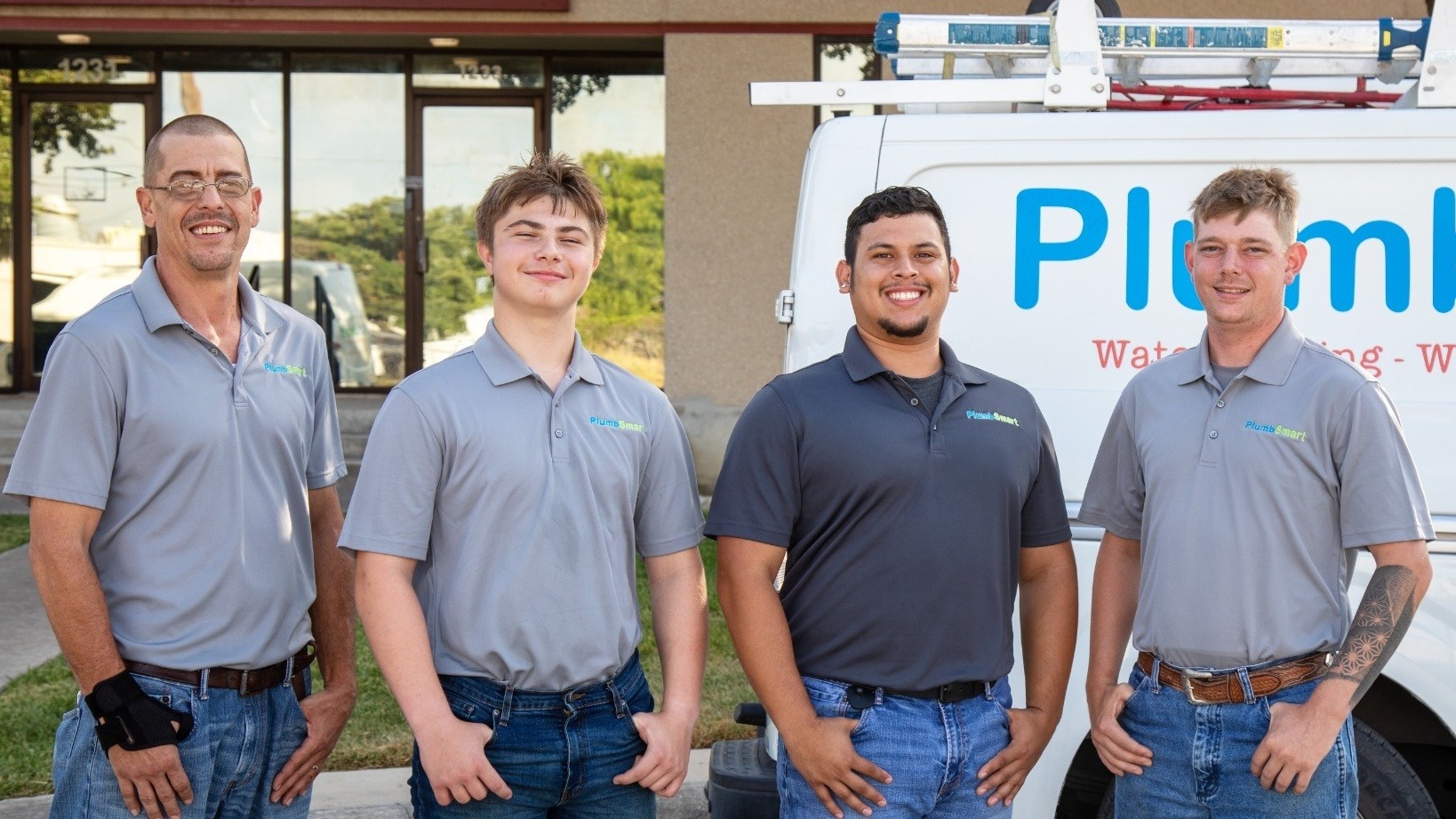
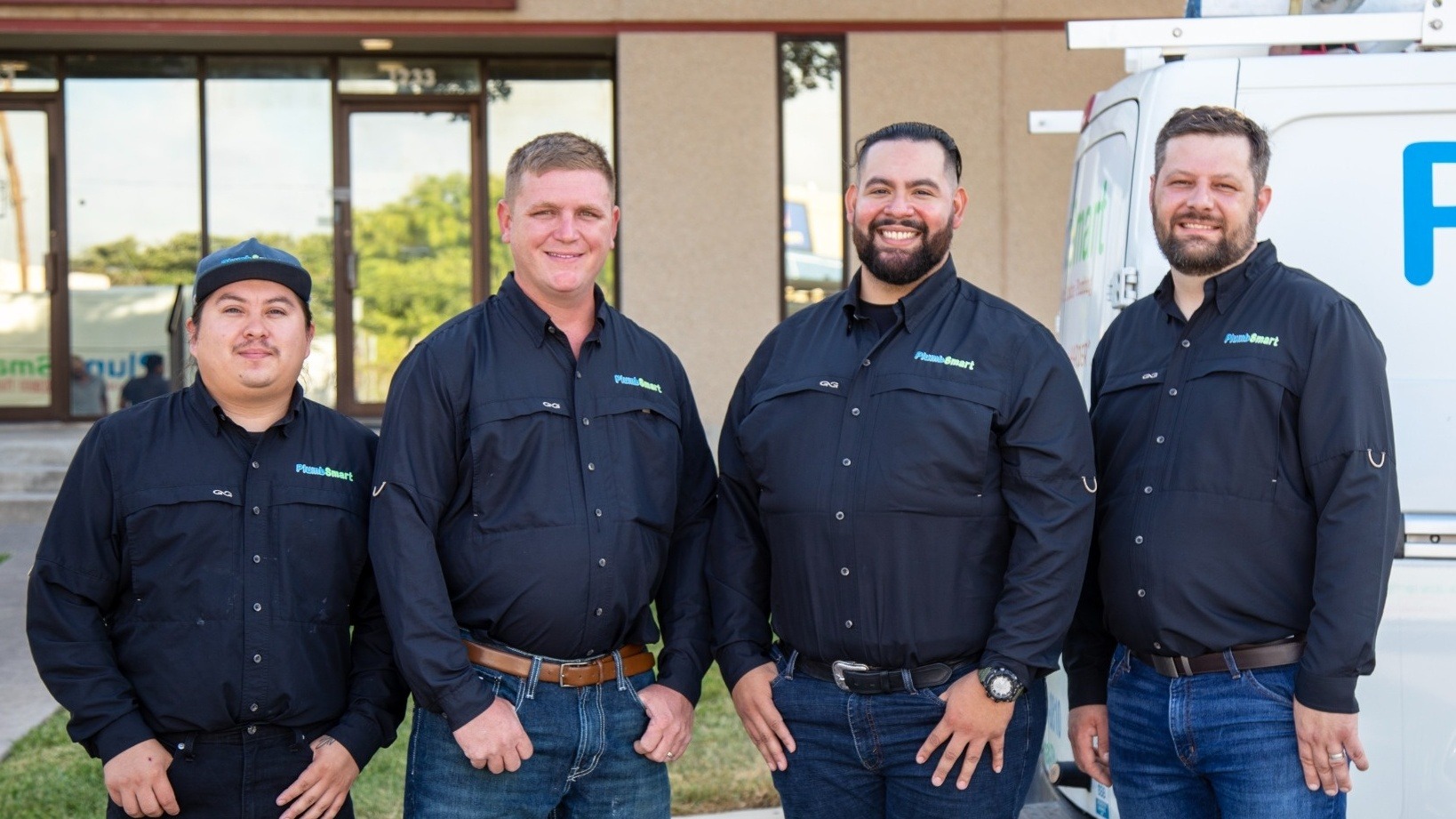
PlumbSmart can also help if the “root issue” turns out to be a different drainage failure entirely. The best repairs are the ones you only have to do once.
The three moves that prevent root trouble from coming right back
If you only remember three things, make them these.
First, don’t guess. Confirm where the problem is and how bad it is, ideally by actually seeing the inside of the line. Second, choose a fix that’s reliable: clear the blockage, then address regrowth with the right method instead of hoping a single chemical dose will do it all. Third, plan for your home’s conditions, including older piping, thirsty trees, and the mineral-heavy water many homeowners deal with in San Antonio, TX.
Roots in a sewer line are common, but repeated emergencies don’t have to be. Catch it early, clear it correctly, and you’ll protect your plumbing, your yard, and your weekend plans.