
Plan a water softener replacement in San Antonio: compare sizing and connections, understand common installation pitfalls, and know when to call a licensed plumber.
The true cost of hard water in San Antonio
If you live around San Antonio, you already know our local water contains a heavy mineral payload. The Edwards Aquifer is made of limestone, so calcium and magnesium naturally dissolve into our water supply. This mineral load is what we call hard water, and it turns daily chores into a constant battle against scale. Scale is that stubborn, chalky white crust that ruins showerheads, leaves ugly spots on your dishes, and slowly chokes off your plumbing lines. Over the years, those mineral deposits act like an insulating blanket inside your water heater. This forces the unit to run longer to heat your water, which drives up your electric bills and burns out the heating element. Swapping out an old, struggling water softener protects your pipes and appliances from this slow, chalky build up.
How water softeners protect your plumbing
A household water softener is more than just a big filter; it is an exchange system that relies on cation exchange to treat your water. Inside the mineral tank, millions of tiny plastic resin beads hold a static charge. Because hardness minerals like calcium and magnesium carry a positive charge, they stick to those beads as water passes through. The system then trades those hardness ions for harmless sodium ions. When your old unit stops working, your whole home feels the impact immediately. You lose that clean lather in the shower, and your pipes get hit with raw, scale-heavy water. In our corner of Texas, groundwater often tests at over ten grains of hardness per gallon, which the Texas A&M AgriLife Extension Service lists as extremely hard. Without a working softener, your entire plumbing system takes a daily beating.
Common pitfalls of DIY replacement
Replacing a water softener yourself sounds simple, but a few small mistakes can cause expensive home damage. Most people who tackle this job in a garage or closet expect to finish in an hour, only to end up with a flooded floor and a closed water main. One common headache is the bypass valve itself. This manual valve lets you divert water past your softener so you can work on the unit without shutting off water to the whole house. If you do not align this valve correctly or if you use cheap plastic fittings that do not seal, you will get water bypassing the unit or running onto your floor. Another frequent error is using low quality flexible connector hoses that kink when you push the tanks back into place, or forgetting to secure the drain line with solid clamps. During the regeneration cycle, the water runs out under high pressure. If the hose is not clamped tight, it will jump right out of your drain pipe and pour gallons of salty brine water all over your finished garage or utility closet floor.
Your water softener selection checklist
Choosing a replacement unit requires looking at more than just the price tag at the store. You need a system that fits your household’s actual water usage and physical space. Before you buy, check these five specs:
- Grain capacity: This is the amount of hardness the system can remove before running a cleaning cycle. For most mid-sized families in our area, a 32,000 to 48,000 grain system works best.
- Physical space: Measure the height and width of your utility area carefully. Make sure you have enough room for both the resin tank and the brine tank.
- Connection sizes: Check if your water lines are three-quarter inch or one inch copper or PEX. You will need matching fittings to connect the new system.
- Control valve style: Choose a demand initiated valve that measures water usage and recharges only when necessary, saving water and salt over time.
- Certification stamps: Look for independent testing marks to ensure the plastics and metals are rated for safe, lead-free drinking water.
Flow rates, salt efficiency, and water pressure
One thing that trips up DIYers is the difference between water pressure and flow rate. Pressure is the force pushing water through your pipes, while flow rate is the volume of water moving past a point in a minute. If you install a softener with a valve that is too small, your flow rate will drop. You will notice it when someone turns on a kitchen faucet while the shower is running. To keep this from happening, check the manufacturer specs for a low pressure drop. The Environmental Protection Agency notes that residential water softeners are not eligible for standard WaterSense program labeling, but you should still look for efficient models. Also, remember to clean the resin. Using a water conditioner resin cleaner to flush out scale and iron deposits once or twice a year will keep the system running efficiently and maintain your home’s water flow.
Hidden plumbing problems exposed during install
Disconnecting your old water softener often reveals older, hidden plumbing issues. The first obstacle is usually the main shutoff valve. If that valve has not been turned in a decade, forcing it closed can snap the internal stem, leaving you with an active leak you cannot stop without a city worker. If your home has older metal or copper pipes, you might find the pipe walls have thinned from years of exposure to scale and galvanic corrosion. The moment you use a pair of pipe wrenches to loosen old fittings, those weak pipes can crimp or crack inside the wall. If you run into these issues, you might also notice a water hammer, which is that loud banging noise inside your walls when valves shut off fast. Finally, check the drain line routing. If the old drain was piped straight into a sewer line without a physical air gap, you risk siphoning sewer gas back into your water.
Testing and verifying your new system
Once all your pipes are connected, do not just turn your main water valve on full blast. Leave the outlet side of your bypass valve closed and slowly open the inlet. This lets water fill the resin tank gradually, which prevents a sudden rush of high pressure air from shifting your resin bed or blowing the internal distributor tube out of place. Once the system is pressurized, dry the area and check every joint for slow, weeping leaks. Next, run a manual regeneration cycle to make sure the drain line carries the waste water away without spilling or backing up. For safety and peace of mind, make sure your new unit carries the right industry certifications. Having a system tested against NSF/ANSI Standard 44 means you know the materials are safe and the system actually removes the minerals it claims to. Let the soft water circulate for two or three days, then run a quick chemical test to confirm your water hardness has dropped to zero.
When to call in the professionals
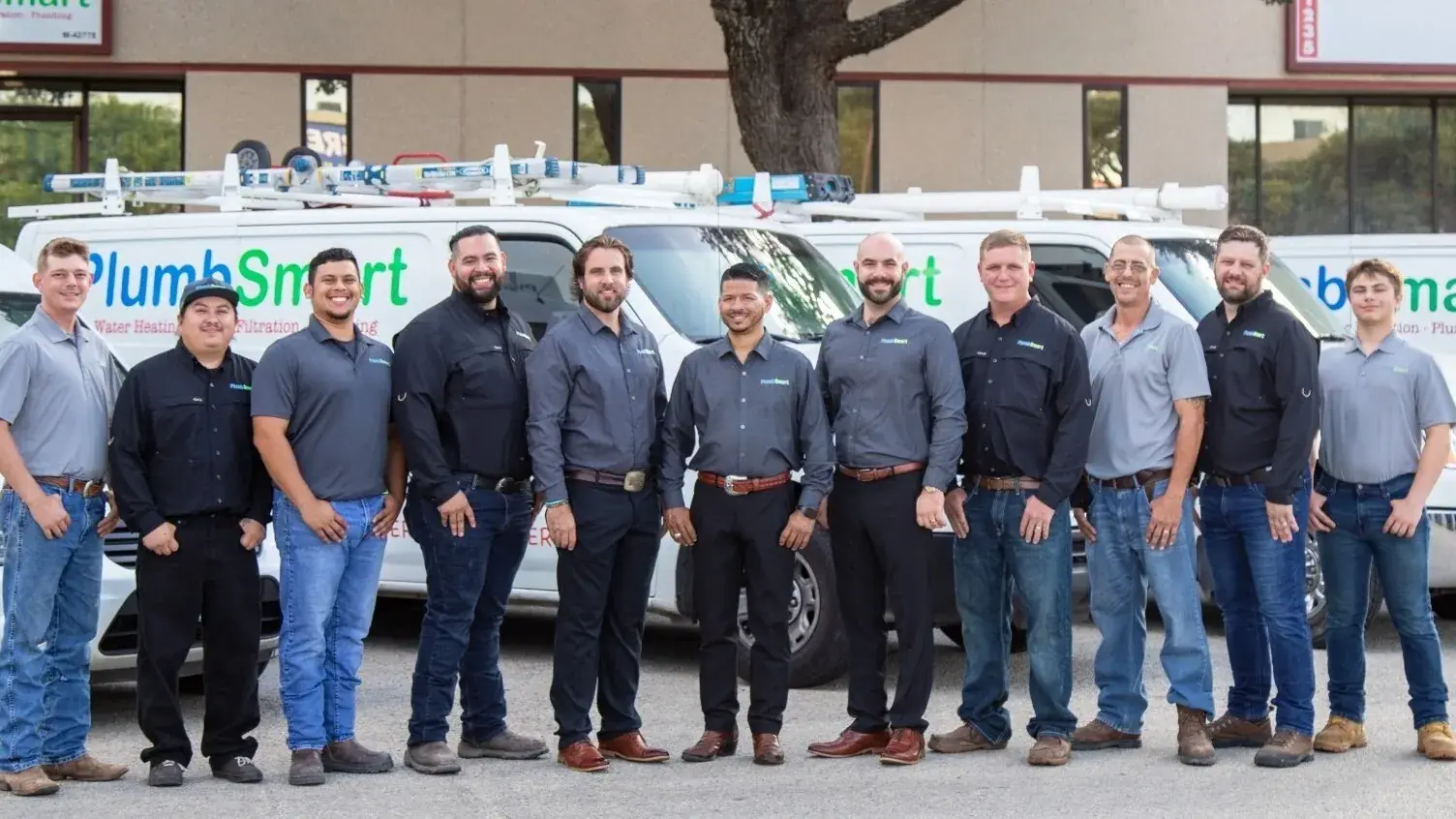
While many hands-on homeowners can wrestle a water softener into place, dealing with stiff pipes, heavy tanks, and cramped utility closets can quickly get out of hand. A simple mistake can leave your family without running water for days. If you run into stubborn bypass valves, strange pressure drops, or think you need professional water softener repair or a complete water softener installation to get the job done right, we can help. The team at PlumbSmart knows how to deal with local hard water issues and can make sure your new water softener works perfectly. We also handle complex line routing, pipe sweating, and professional leak detection and repair to restore your home plumbing to peak performance.
Your action plan for clean, soft water
Getting your household water treating system running correctly comes down to a few basic steps. First, match your new system size to your household water usage and the actual mineral levels in your area. Second, take your time with the physical plumbing, using good fittings, secure lines, and a proper physical air gap on the drain to keep your system safe and clean. Finally, stay on top of daily operation over the first week by running manual test cycles, checking the salt tank height, and verifying that the hardness has dropped to zero. Taking these practical, proactive steps keeps your plumbing scale-free, protects your expensive tankless water heater, and ensures soft, clean water flows reliably out of every faucet.
Written by
Master Plumber - San Antonio, TX
I've spent more than 15 years in plumbing and worked for companies large and small before starting PlumbSmart. Along the way, I heard too many stories from homeowners who felt let down by poor service or unclear answers. I knew we could do better. As PlumbSmart's owner and a Texas-licensed Master Plumber, I work with our team to give customers straightforward advice and work they can rely on. I also enjoy helping homeowners understand what's going on with their plumbing so they can make the right call for their home.
All articles by Adam →